
Design & Product Development

From line sheet
to final sample.

We develop the assortment, materials and fit behind each collection—from the customer and target price to samples, revisions and production specifications.

See how we develop a line
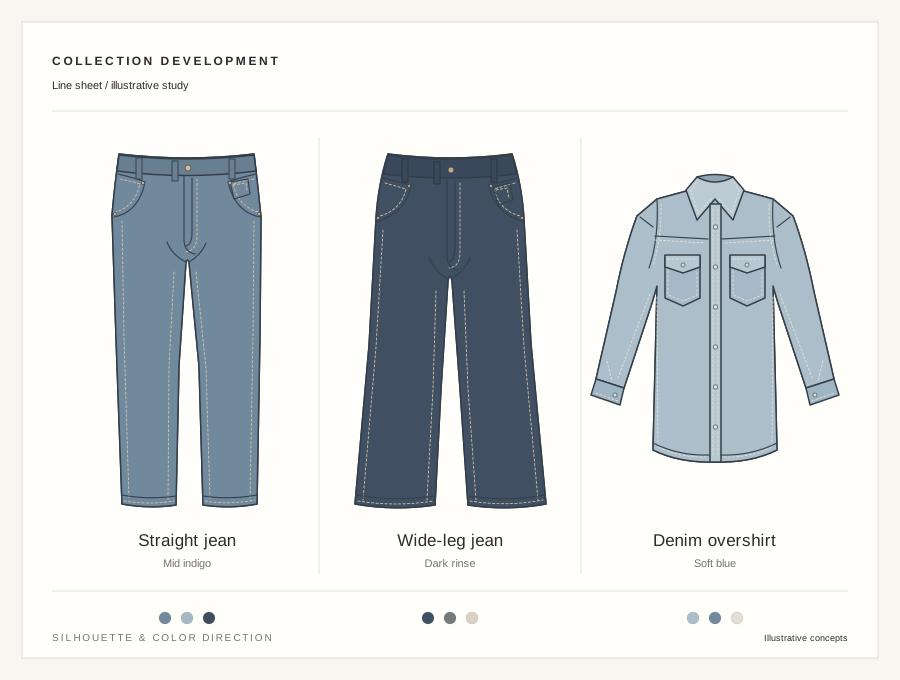
Illustrative line sheet comparing straight-leg jeans, wide-leg jeans and a denim overshirt with color options
The collection at a glance: silhouette, color and fabric direction. View full line sheet ↗
Collection development

What gets developed.
What gets reviewed.

Design, merchandising and technical development work through the line together. Materials and samples are revisited as the product develops; the sequence varies by category and program.

  1. Build the line sheet.

    Map the assortment by style, silhouette, color and fabric direction. Review how the pieces work together against the customer, selling season and target retail price.

    Working document Line sheet & assortment plan

  2. Specify each style.

    Translate the design into front and back views, measurements and construction details. Define seams, pockets, trims and finishing so the sample maker has a clear garment reference.

    Working document Technical package & measurements

  3. Develop fabric, wash & trims.

    Compare swatches for weight, stretch, drape and hand feel. Review color, wash direction and hardware together, balancing the intended look with the program’s price requirements.

    Working references Swatches, wash samples & trim selections

  4. Make the first sample.

    Evaluate the design as a garment. Check proportions, pocket placement, construction and fabric behavior; identify what needs to change before the next sample is made.

    Working reference Development sample

  5. Fit. Comment. Revise.

    Review measurements, balance, comfort and movement. Record changes in fit comments and revised specifications, then check the next sample against that feedback. Our Los Angeles team manages technical fit and sampling rounds.

    Working documents Fit comments & revised specifications

  6. Prepare for production.

    Bring the final sample reference, selected materials and updated specifications together. Align the garment details with sourcing and quality so the intended product is clear at handoff.

    Working references Final sample & production specifications

Inside a sample review

Review the sample.
Record the changes.

The sketch sets the direction. The sample shows how the garment actually sits, moves and is made.

Fit & proportion

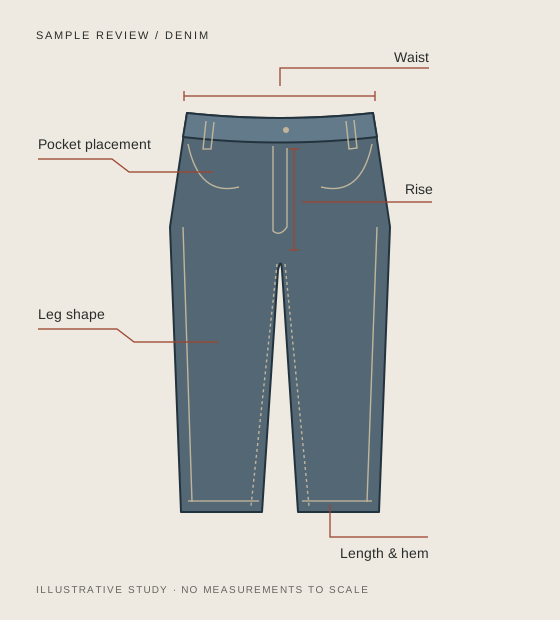
Review: Waist, rise, seat, leg shape and length on a denim sample.

Record: The measurement or pattern adjustment, with a clear reference to the area being changed.

Recheck: The revised sample against both the specification and the intended silhouette.

Construction & finish

Review: Pocket placement, seam alignment, stitching, closures and hem finish.

Record: Construction changes with marked details or comments in the technical package.

Recheck: The revised detail on the next sample, alongside the overall garment.

Fabric & wash

Review: How the chosen fabric drapes and feels once sewn, and how the wash changes its shade and surface.

Record: Material or finish revisions alongside the garment comments.

Recheck: The updated sample for appearance, hand feel and its effect on fit.

Illustrative jean fit review marking the waist, rise, pocket placement, leg shape and hem
Illustrative fit study · Review points vary by style
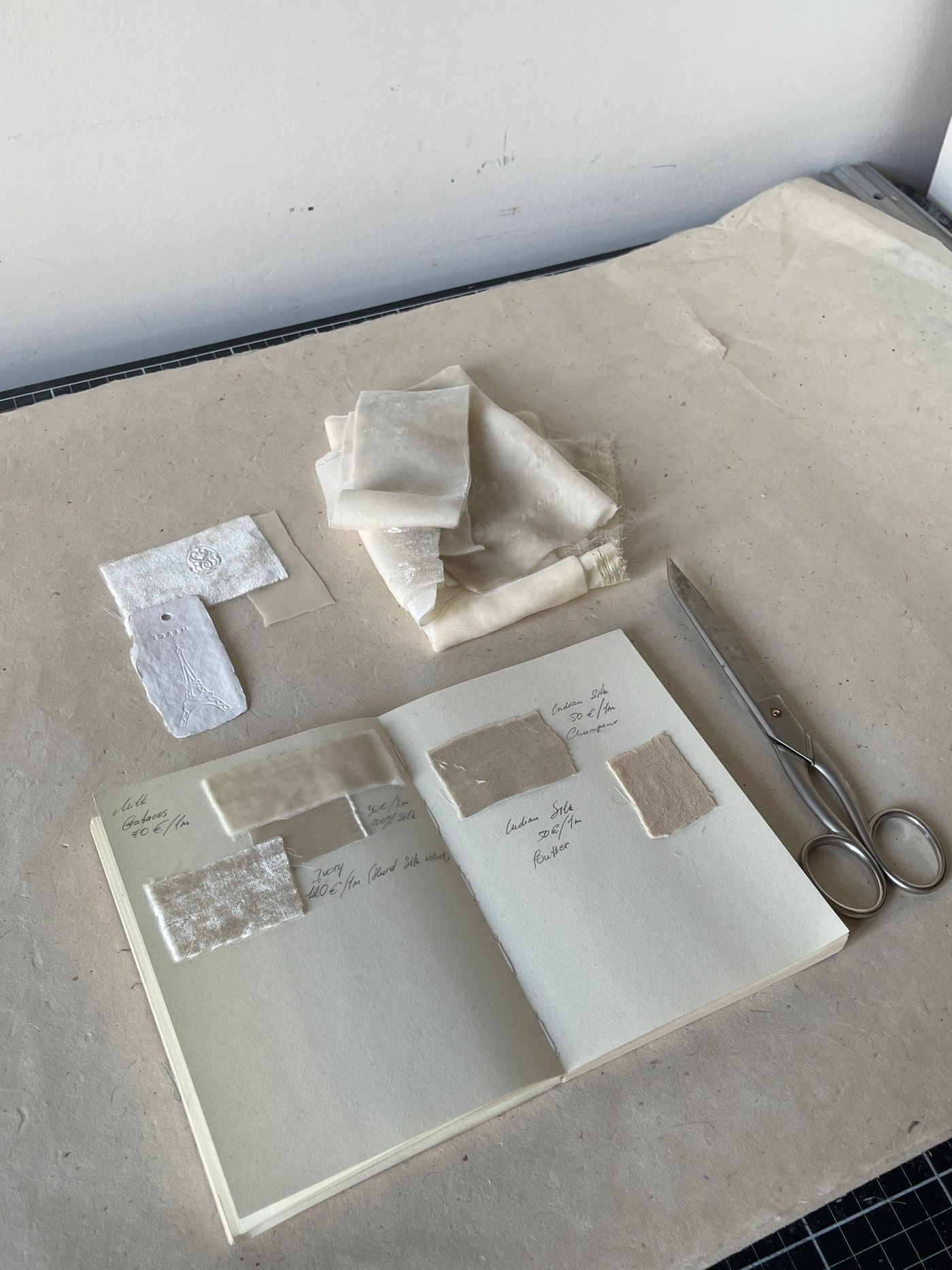
Fabric swatches in an open notebook beside scissors
Fabric selection · Weight, texture & drape
Material thinking

Fabric, wash & trim.

Fabric, wash and trim are developed together. A change in weight or stretch can change the fit; a change in wash can change the shade and hand feel.

Weight & drape
How the fabric hangs, how much structure it gives the garment and whether it suits the silhouette.
Stretch & recovery
How it moves with the wearer and returns to shape.
Wash & color
The shade, surface character and hand feel of the finished fabric.
Trims & construction
Thread, buttons, zippers and seams considered alongside the fabric and target price.
The work, in the world

The details in
the finished product.

Different garments call for different development decisions. These pieces from Liverpool Los Angeles and Celebrity Pink show the details those decisions address.

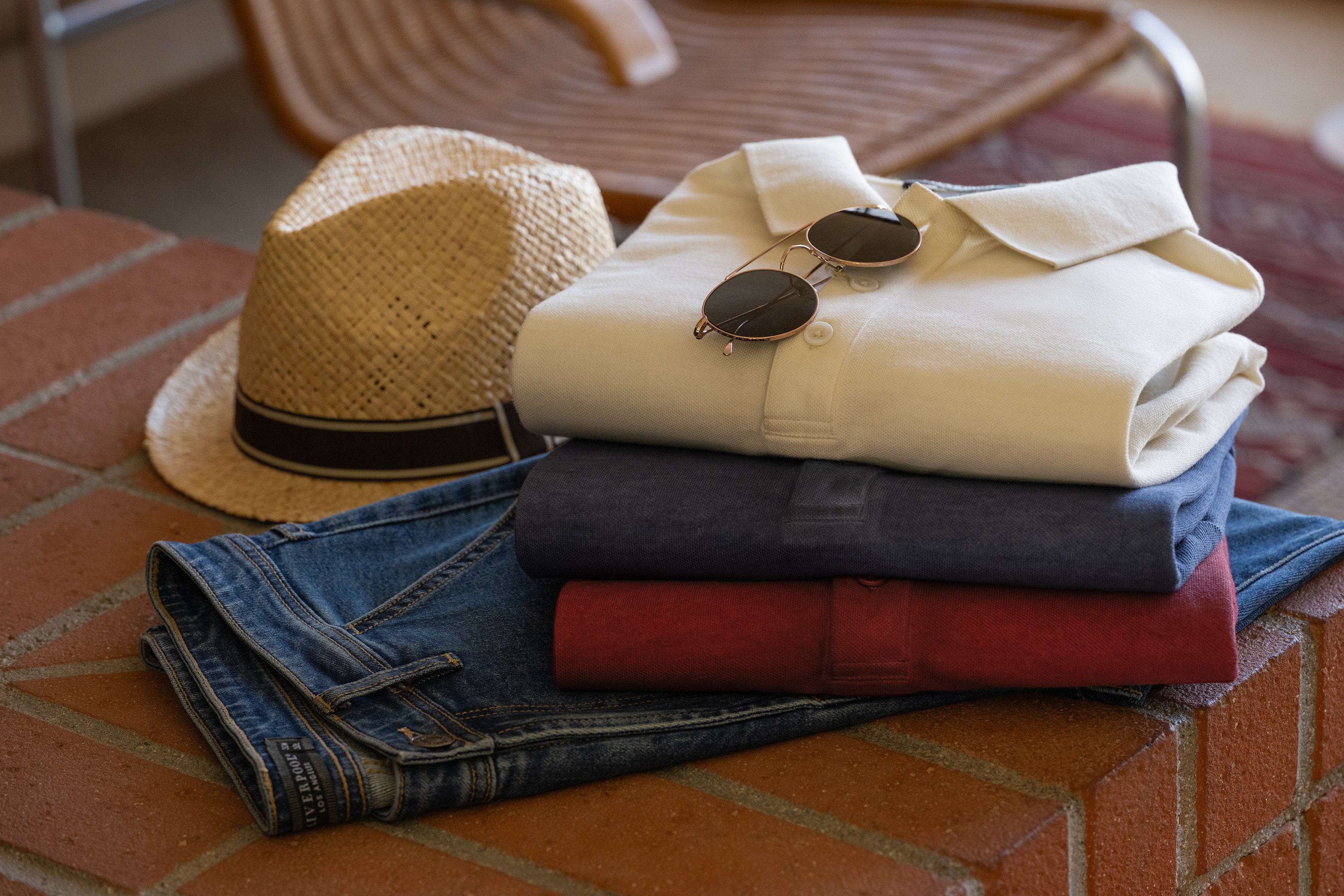
Liverpool cream, navy and red polos folded over indigo jeans, showing collars, plackets and denim topstitching
Liverpool Los Angeles · Spring 2026
Knitwear & denim

Polos & denim.

01 / Fabric surface
Knit texture, collar shape and placket construction give the polo its structure.
02 / Color assortment
Cream, navy and red offer distinct color choices within the same garment shape.
03 / Finishing details
Collars, button plackets, belt loops and contrast stitching each require their own construction detail.
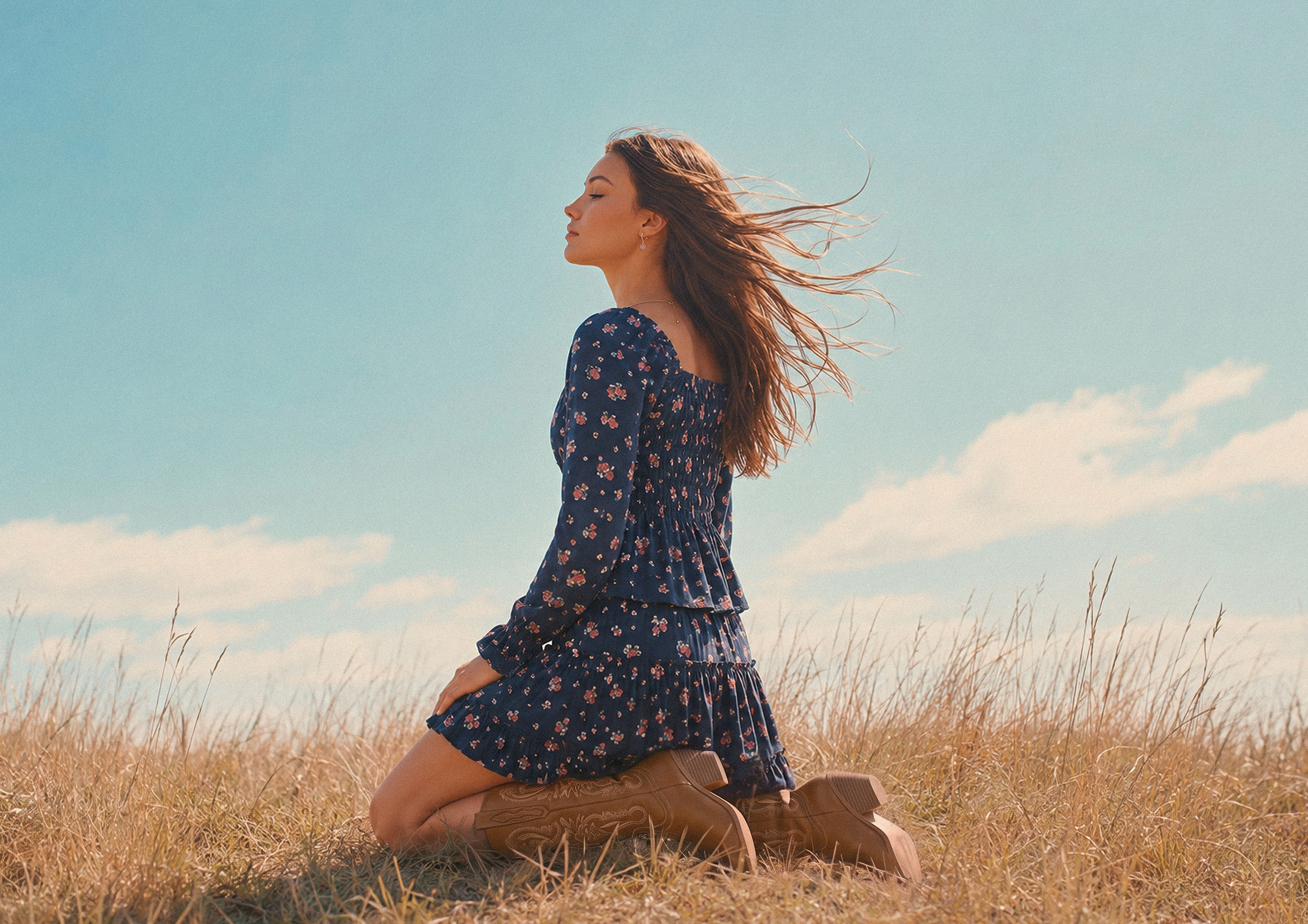
Celebrity Pink floral outfit showing a smocked back, gathered sleeves and tiered skirt
Celebrity Pink · Collection photography
Woven separates

Printed separates.

01 / Bodice construction
The smocked back and fitted waist create a defined shape through the body.
02 / Sleeve volume
Gathering gives the sleeve fullness while the cuff draws it back in.
03 / Skirt proportion
Tier placement and gathering distribute fullness through the skirt.